
The Improv Effect 🦋
In my experience, improv tends to have a much larger impact on people’s lives beyond the stage. Many of the adults I teach, for example, tell me their therapist recommended they take a class for one or a variety of reasons: building confidence, finding a creative outlet, feeling more human, or simply stepping outside their comfort zone.
To a non-improviser, that might sound surprising. Prescriptions for improv?!
To Alex and I, however, that doesn’t surprise us at all.
Improvisers often liken the art form to a kind of soulful practice, something that brings joy, builds community, and, over time, helps you become a better human.
After 15 years of practicing improv, this is something I’ve thought about often. My co-founder Alex and I are obvious examples. Our lives have been deeply shaped by it, so much so that we now use it through WitWorks to train leadership skills and help teams work better together.
But perhaps we’re an unusual case to have been so highly impacted. Or… perhaps not?!
That question led us back to our college days, nearly 15 years ago, and to the people we started with. Had improv stayed with them the way it had stayed with us? Did they experience an “improv effect”?
We decided to find out.
We reached out to old friends from our college improv troupe at Ohio State University, Fishbowl Improv. Over the years, we had lost touch with many of them, but we were curious. What are they doing now? Has improv shaped their lives and careers in lasting ways? Are their phone numbers still the same?
So, without further ado, meet a few of our old friends, with the same phone numbers: Sage, Tyler, Madison, Christy, and David.
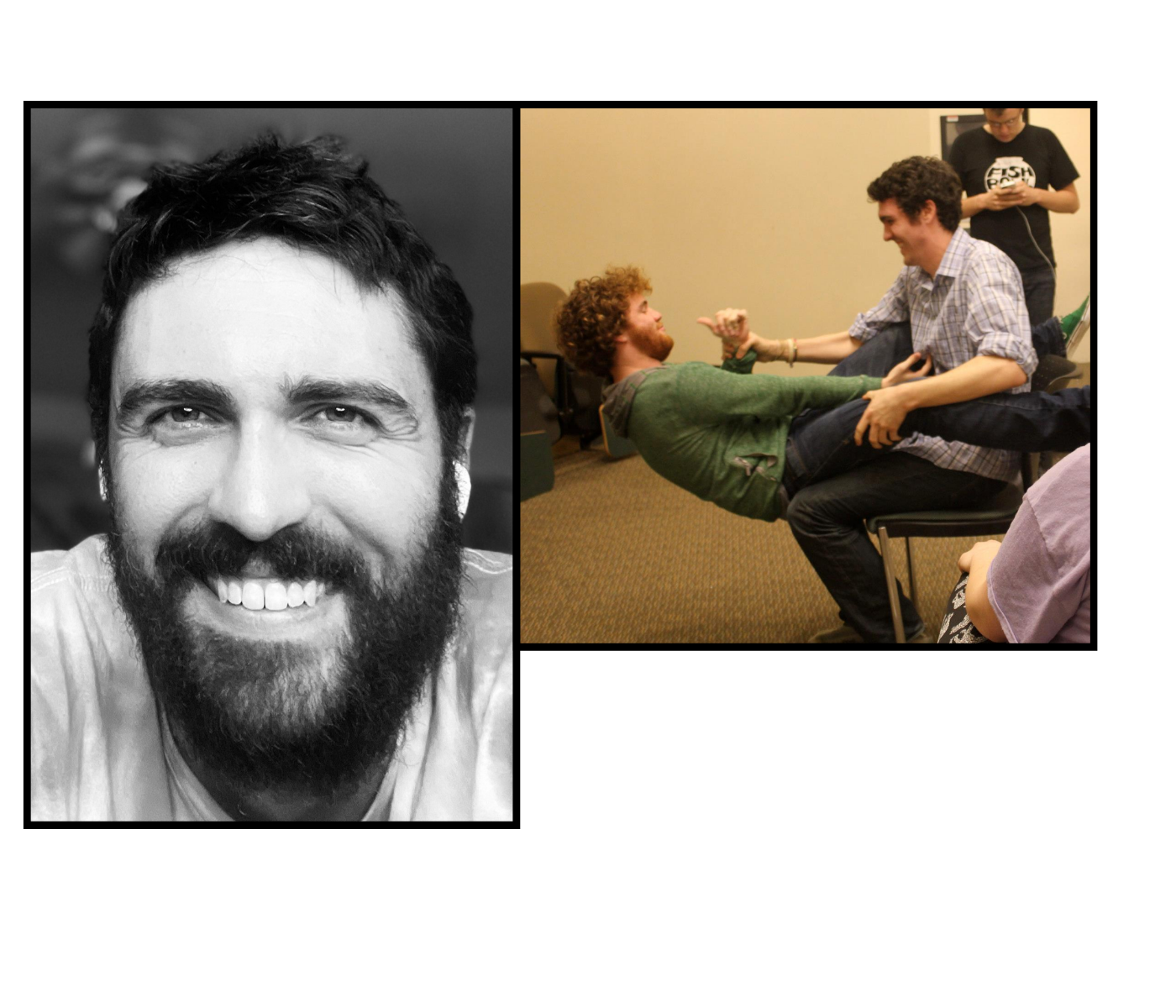
Meet Sage Boggs
New York-based comedy writer for The Tonight Show
OSU English Major: 2009–2013
Joined Fishbowl Improv: 2010
So Sage, do you remember why you decided to do improv in college?
I thought I was a funny guy. I came from high school speech and debate humorous interpretation, and there wasn’t a speech and debate program at OSU so improv was the best option!
What work did you get into out of college?
During my senior year at Ohio State, I really wanted to pursue internships, so I landed one at Late Show with David Letterman and moved to New York City for the year. It was an incredible experience. Through connections I made there, I got the opportunity to interview for an internship with Late Night with Jimmy Fallon, and ended up getting it. Ohio State was flexible enough to let me make it work.
While I was there, I started getting noticed for my tweets, and when a video researcher role opened up, someone recommended me. I got the job and became the show’s first video researcher, doing that for about two and a half years. During that time, I was also pitching ideas to the writers, but there wasn’t space for me to move into a writing role yet.
So I decided to branch out. I worked at Mic.com as a comedy writer and on-camera talent, which gave me the chance to stretch creatively in new ways.
Eventually, I was hired back at Fallon as a sketch writer. After a couple of years, I left to freelance, going back and forth between freelance work and the show.
Has improv comedy impacted your career in any way?
It has! It’s ingrained in me in ways I don’t always realize. I used to have a lot of anxiety and felt like I needed to prepare jokes ahead of time [before shows and practices]. Improv quickly taught me not to overthink and to trust myself and that’s stuck with me. I am able to walk into meetings without that anxiety now, and I credit that in large part to improv.
Do any improv skills show up for you day to day?
Yes. Trusting your gut, confidence in pitch meetings, and “yes, and.” You have to support other people’s ideas. Also vulnerability. Not worrying about the cringe is where the magic happens.
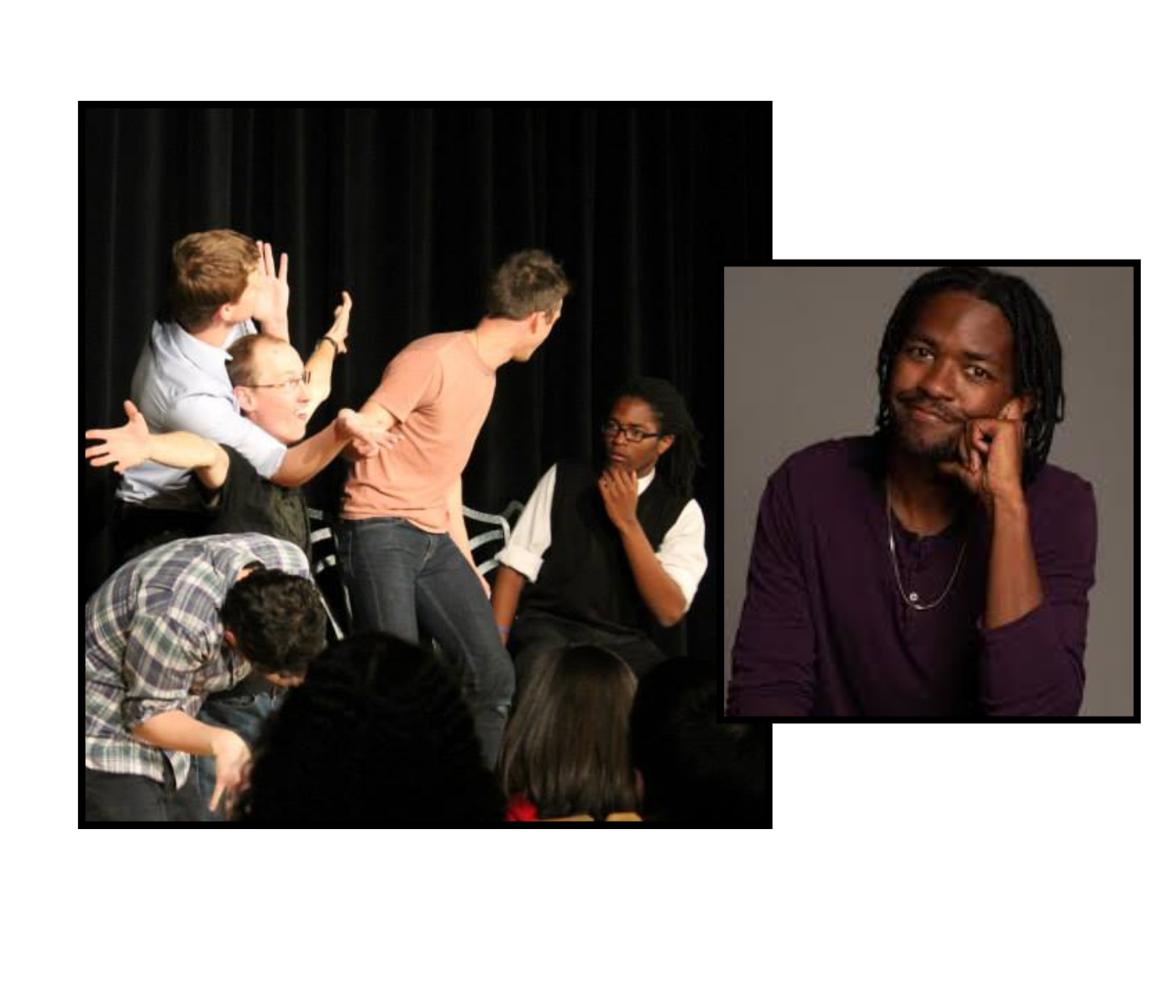
Meet Tyler Davis
Los Angeles based Director, Videographer, and Editor. Owner of Sunny Beach Productions
OSU Marketing Major: 2008–2012
Co-Founded Fishbowl Improv: 2009
What drew you to improv in college, Tyler?
It looked fun. I loved “Whose Line Is It Anyway” and saw a show at Second City. I auditioned for a group on campus and didn’t get in, so along with Alex and a few friends, we started our own group.
What did you do after college?
I pretty quickly moved to Chicago and dove into improv. I trained at iO and Second City while working at the Museum of Science and Industry. I eventually joined Second City’s touring company, wrote for TV, and later moved into directing and filmmaking.
Has improv played a role in your career?
Yes. These days I use improv when I am directing. Ensemble based work requires you to know your stuff and know what you bring. The best idea doesn't come from you. Improv keeps you listening. It gives you an opportunity to be surprised. I incorporate a lot of the collaborative aspects of improv into my work.
Do any improv skills show up for you in your day to day?
There is a huge amount of improv “Yes, Anding” at play, as it pertains to the landscape of media right now. Things are moving so quickly. Responsibility is moving from the old head studio to individuals. Things don't get made unless you make your own stuff. Improv primes you to do these hard things.
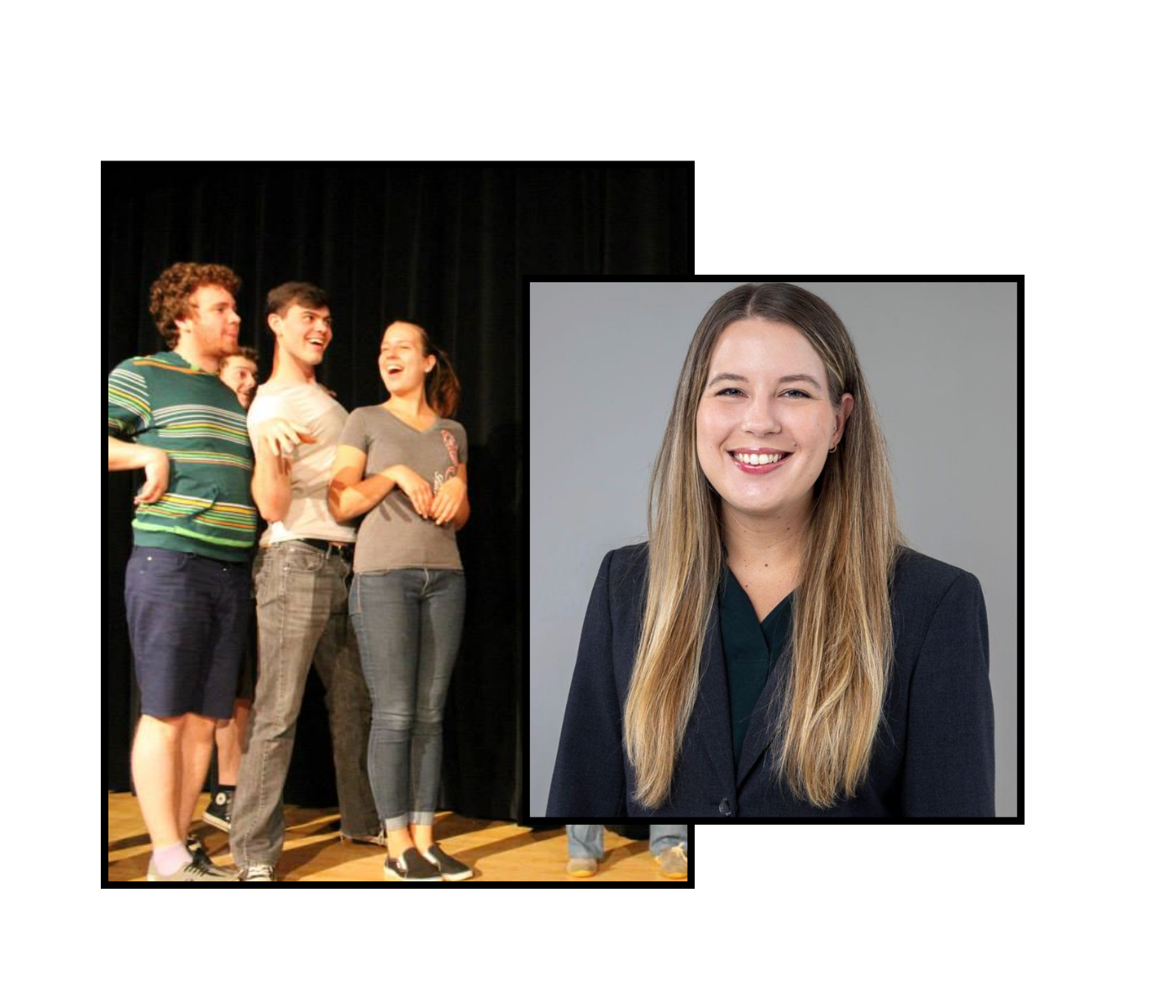
Meet Madison Boyer
Attorney helping businesses build, protect, and grow their legacy
OSU French Literature and Linguistics: 2011–2014
Joined Fishbowl Improv: 2012
Madison, why did you decide to do improv in college?
I came from theater but didn’t want to pursue it in college. Improv felt like a fun, lower-pressure way to stay creative.
What was life like after you graduated from OSU?
I taught English in France, worked as an au pair, then came back to the U.S. and worked as a paralegal. Eventually went to law school and became an attorney.
What type of law do you do?
I work in mergers and acquisitions, estate planning, and advisory services, mostly with closely held family businesses.
How has improv impacted your life, if at all?
It helps me connect with people. It’s an isolating time to be alive, especially in a new city, and improv gives me tools to build relationships more easily.
Do any improv skills show up for you in your day to day at work?
They do. Confidence speaking in front of groups, networking, and engaging people. Also not shutting people down. You don’t want to just say no to someone’s idea or question. There really are a lot of improvisers who are very driven career people. Something propels us to connect. We're not as afraid to reach.
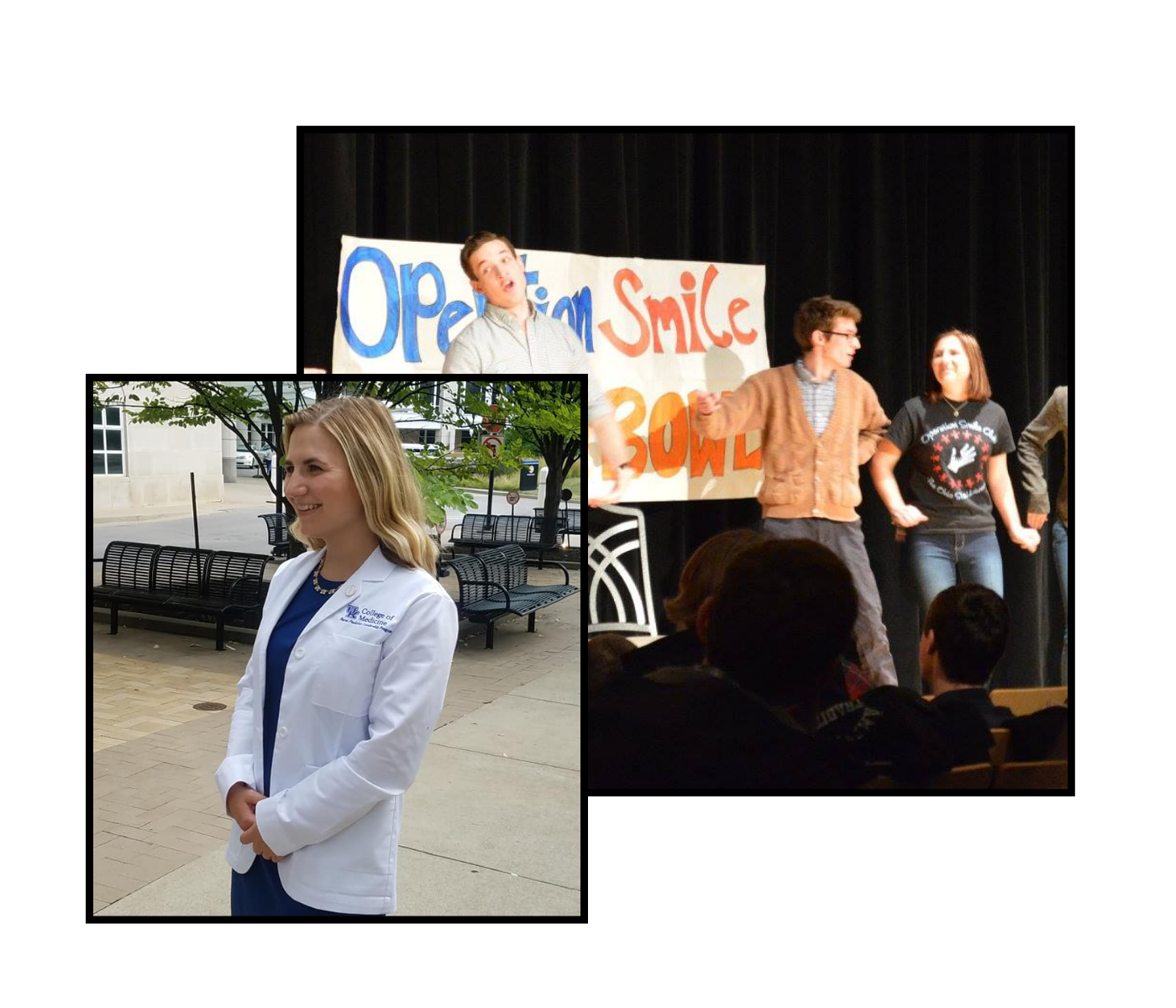
Meet Christine Sharrer, MD
Neurology resident researching the impact of improv on dementia
OSU Bachelors of Science: 2013–2017
Joined Fishbowl Improv: 2015
Dr. Christy, what led you to pursue improv in college?
I was scared of public speaking. I knew I’d need to present in leadership roles, so I wanted to get comfortable speaking without a script.
What was your life like after you graduated from OSU?
I got a master’s in physiology, went to medical school, and now I’m in neurology residency at Barrow Neurological Institute in Phoenix.
Have any improv skills shown up for you in your career?
Communication skills. It's too easy to become jaded in the medical field. If you’re not armed with the right tools, you can feed into that. Improv armed me with laughter. When you’re drowning in work, you can still find levity. And it’s not toxic positivity. It’s about highlighting the bonds with the people around you, as you go through the same experience. You don’t have that, they burn out. They get angry. They have a harder time.
Also skills like listening, adaptability, and staying present. You can’t rely on a script when working with patients and families. You have to respond to what’s actually happening. Improv taught me resilience. You learn to fail with support, not alone. That mindset is huge in medicine.
We hear you are actually studying improv’s effect on the brain? That’s amazing! Tell us a bit about that.
I’m currently exploring the anecdotal evidence that improv can benefit people living with dementia. There are stories suggesting it may reduce the need for medication and allow for greater independence, but there isn’t strong clinical proof yet. I’m working to change that through a proof-of-concept study, researching whether improv comedy can help reduce the symptomatic burden of dementia. Specifically, I’m interested in whether improv engages and “lights up” areas of the brain that are typically affected by the disease.
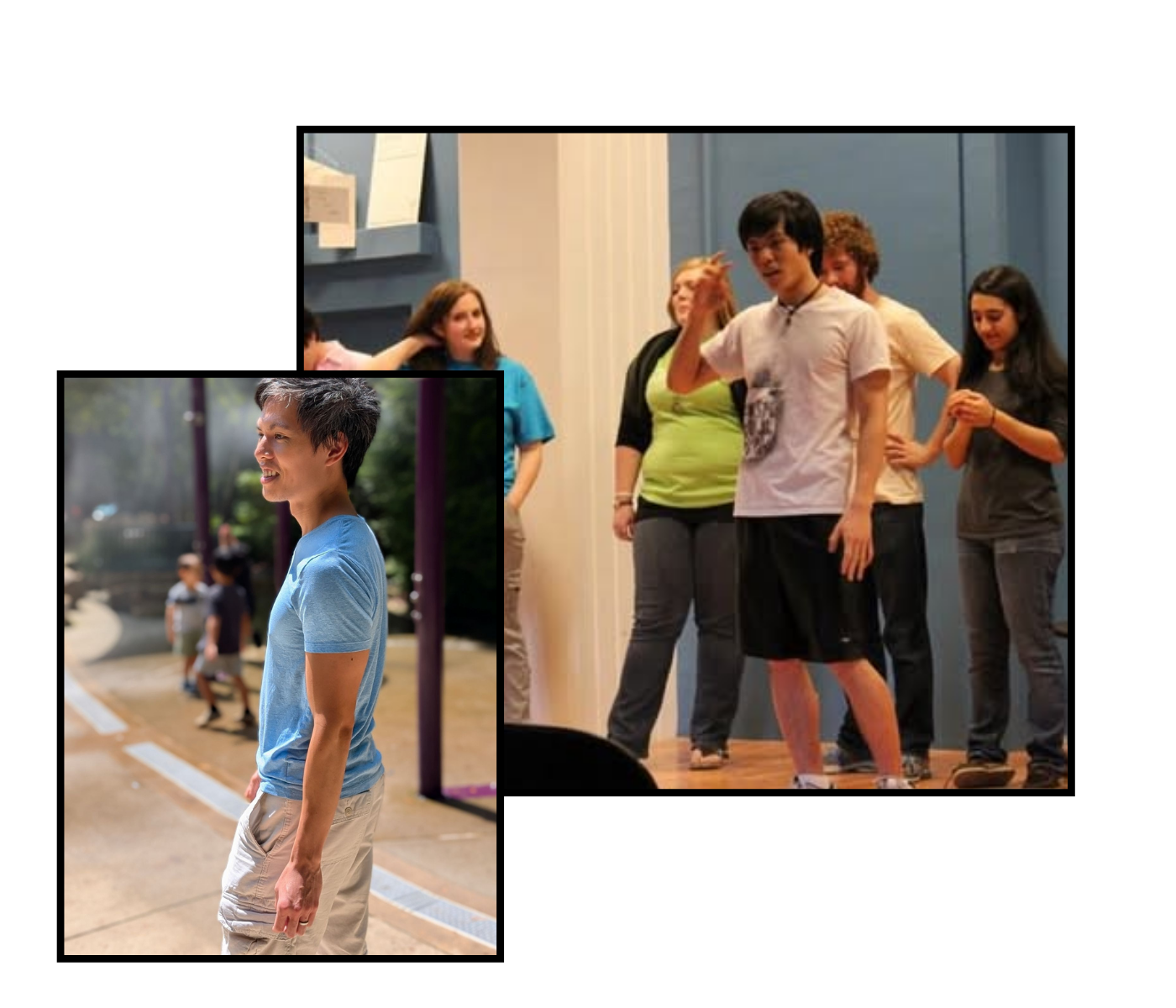
Meet David Huynh, PhD
AI-focused software engineer building tools for complex decision-making
OSU Aeronautical and Aerospace Engineering: 2009–2013
Joined Fishbowl Improv: 2010
So David, why improv in college?
It was a fun, fully unique experience. It wasn't like anything else I did.
What happened after you graduated?
I got married, moved to California, and earned a PhD at Caltech.
And what do you do now?
I’m a software engineer working on AI systems that help people use complex tools and make better decisions.
Do any improv skills show up in your day to day?
It definitely factors into parenting. When you're trying to correct a behavior, you don't throw a no at a small child. Using “Yes, and” is much more effective. They are less cooperative than improv players though…
Have any of your college improv skills served you in your career?
People I work with appreciate “yes and”. You're never shutting someone down. You're building on what they are offering. That's a hard thing for folks who never practiced it. Some smart people when they get in a meeting they want to present the right idea. But it’s the people who are going to make the idea happen. When it’s just one person there is no shared ownership or shared dynamic.
You get such different energy when you “yes, and” with people. It's so much more enjoyable to engage with people this way. You get an open dialogue instead of combative.
I think it's so funny that you reached out because I think about this all the time. You hope people/leaders know how to “people”, but not everyone does. With improv you can practice that. You're practicing in low stakes. I am willing to be wrong. That shows people they can openly collaborate with me without fear of being wrong.
Final Thoughts
So, it seems “the improv effect” is real.
We’ve all taken very different paths, but we share this common foundation. Improv didn’t just shape what these incredible people went on to do, it shaped how they think, how they connect, and how they show up in the world.
Which is exactly why Alex and I believe in it and in WitWorks so deeply. Because these aren’t just presentation skills we practice and coach. They’re leadership skills. They’re life skills.
That’s improv at work.
P.S. Reaching out to our old friends for this piece turned out to be a pretty perfect excuse to reconnect. It brought back so much nostalgia and love. I felt it while talking with them, and I feel it again now as I write this. Thanks for “yes, anding” again, friends. ❤️