

Make It Stick: How WitWorks Turns Assessments into Action
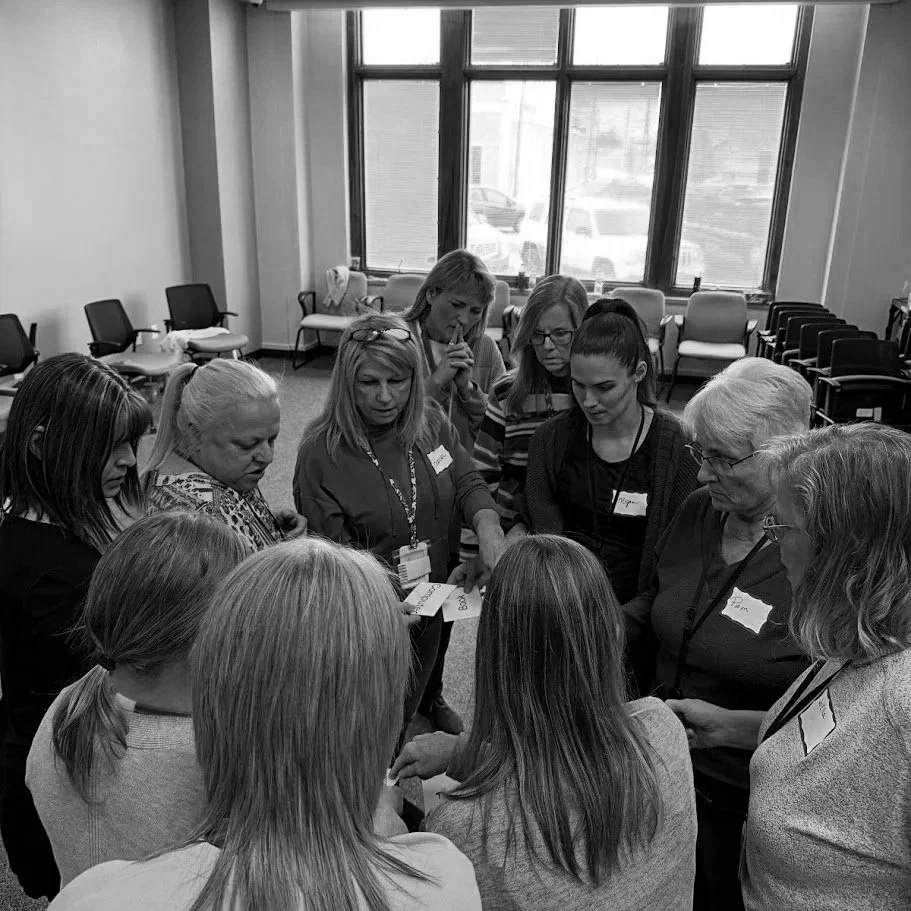
Participants engaging in a WitWorks Workshop
January 2025
So… you ran the assessment.
The team read their results. People nodded, compared letters, and said, “That makes sense.”
Then the next real meeting happened. Someone dominated the conversation. Someone shut down. A decision stalled. The same patterns showed up again.
And you thought, “Did we not just talk about this?”
This is where most assessment work fades.
You invested in DISC, Myers-Briggs, CliftonStrengths, Birkman, or another tool. You held the debrief. People gained awareness.
But awareness is not behavior change. If you want it to stick, three things matter.
You Remember What You Use
You can run a great assessment debrief. Your team can understand their DISC style. They can explain their Myers-Briggs type. They can name their top strengths.
But when the next high-pressure meeting hits, people fall back on instinct.
The action-oriented leader moves fast. The analytical leader asks for more data. That is not a flaw. It is how humans operate. Under pressure, we default.
The real question is whether leaders have practiced refining that instinct.
Research from Dr. Henry Roediger and Dr. Jeffrey Karpicke shows that people retain information far better when they actively retrieve and use it instead of just reviewing it.
Reading builds awareness. Using builds retention.
That is the shift.
We do not try to stop instinct. We make it visible.
Instead of asking, “What does your DISC say you would do?” we place leaders in improvisational scenarios that feel real, where pressure is present and a decision must be made.
They respond naturally. Then we pause.
Now instinct is visible. Now we connect it to the assessment. Where did this serve you? Where did it need adjustment?
Then we run it again with intention. That second round turns instinct into practiced leadership, strengthening the behavior and helping it stick.
Learning Sticks When You Revisit It
In the workplace, most assessments are one session and done. People leave with insight, but without repetition, that insight fades.
Dr. Robert Bjork’s research shows that learning becomes durable when people return to it over time and actively recall it. Even a little productive struggle strengthens memory.
In improv, we call this getting reps. The fastest way to improve on stage is not more theory. It is more stage time. With reps, performers notice patterns. They see where they default. They recognize their strengths. They understand where they lean too heavily. Growth comes from doing it again and again.
Leadership works the same way. Leaders revisit their tendencies in new scenarios, test adjustments, and try again so they can see the impact in real time.
They are not memorizing their type. They are rehearsing how they lead.
Emotion and Movement Make It Memorable
Most assessment conversations happen around a table. They are thoughtful and structured, but they rarely reflect the energy of real leadership moments.
Leadership shows up when stakes rise and pressure builds. That is when habits take over.
If learning never connects to emotion, it fades quickly.
Dr. Marcia Tate’s research shows that novelty, movement, social interaction, and emotional engagement strengthen retention. When people feel something and actively experience it, the brain holds onto it.
That is exactly what improv creates.
It gets people on their feet. It creates shared vulnerability. It grounds learning in real emotion and interaction. You are not just thinking about leadership. You are experiencing it in the moment.
That experience makes the lesson harder to forget.
Why This Matters
You already invested in the assessment.
The question now is whether it becomes language your team remembers or behavior they actually change.
As we stated, Leadership patterns show up in moments of pressure. That is where habits live. If those moments never get practiced in a safe environment, they will not shift in a real one.
Improv creates a space where leaders can see their patterns in action and adjust them with intention. Instead of personality language staying abstract, it becomes observable behavior that the team can experience and refine. With repeated reps, those adjustments turn into real change.
This is not about memorizing your type. It is about strengthening how you lead.
If your team has completed an assessment and you want it to last longer than a debrief, reinforcement is the next step.
Talk with us! so we can help design an experience that turns insight into action.
Awareness is step one. Practice is what makes it stick. That’s Improv at Work