


Sales Training Series

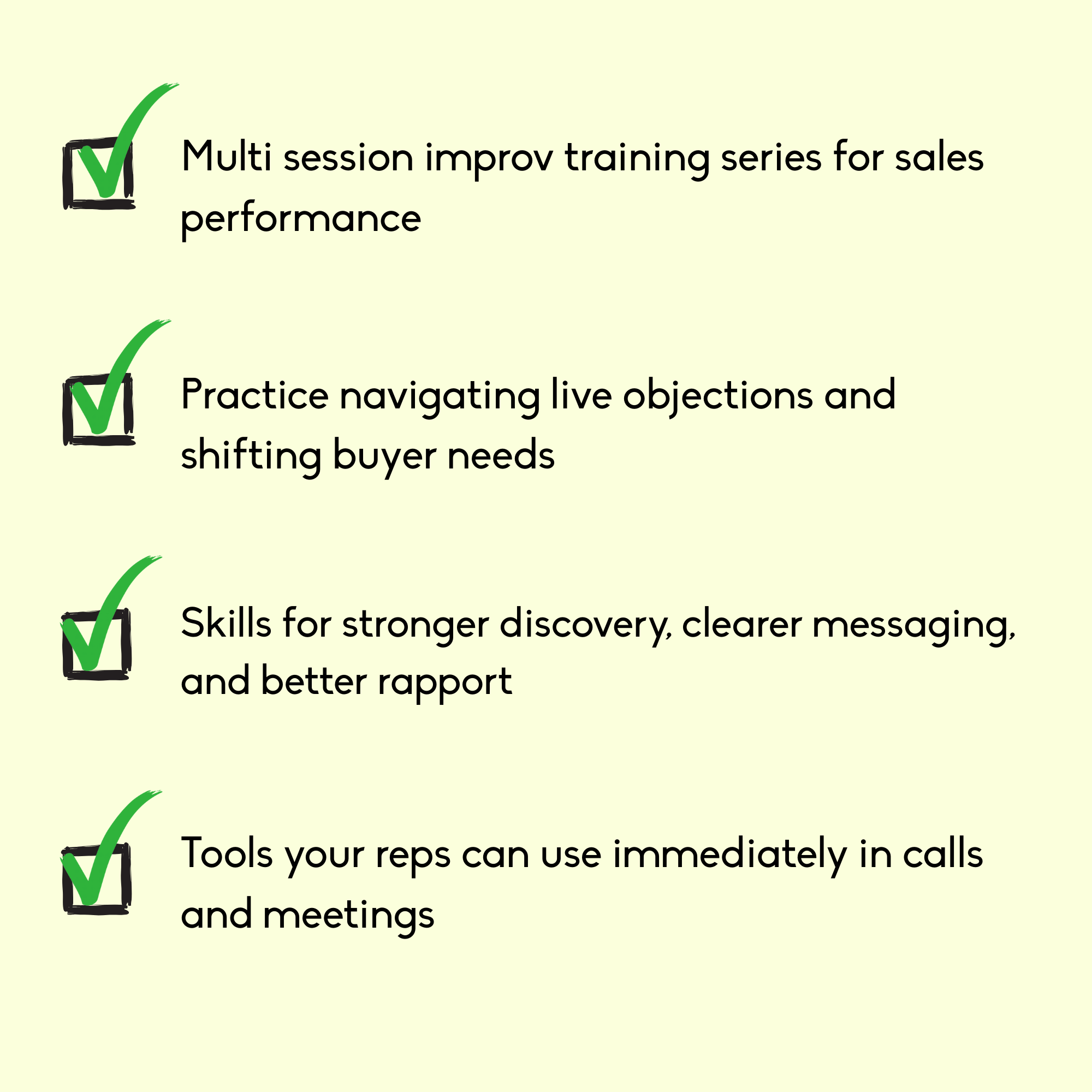
Sales depends on connection. WitWorks’ Sales Training Series uses improv based training to help your team listen with intention, ask better questions, and adapt in real time. You learn how to read the room, stay flexible, and guide conversations with confidence. Each session builds practical habits that support trusted advisor style selling and stays grounded in real customer conversations.
Most teams rely on scripts that fall apart once a customer shifts direction. Your sales training moves people beyond that. They learn to stay present, respond with clarity, and adjust without losing momentum. The work stays human and accessible. People practice in short rounds, reflect on their choices, and try new approaches without pressure. They leave with skills they can use in calls, demos, meetings, and presentations.
What You’ll Experience

What Teams Love



Frequently Asked Questions
-
Sales conversations shape how customers feel about your team and your product. Strong sales training helps people listen with focus, adjust to the moment, and guide conversations with clarity. This practice builds trust faster and reduces friction during tough moments.
For a deeper look at how small actions strengthen connection, read Take the Offer, Even When It Is Small: A Holiday Story for Leaders Who Want Stronger Teams. -
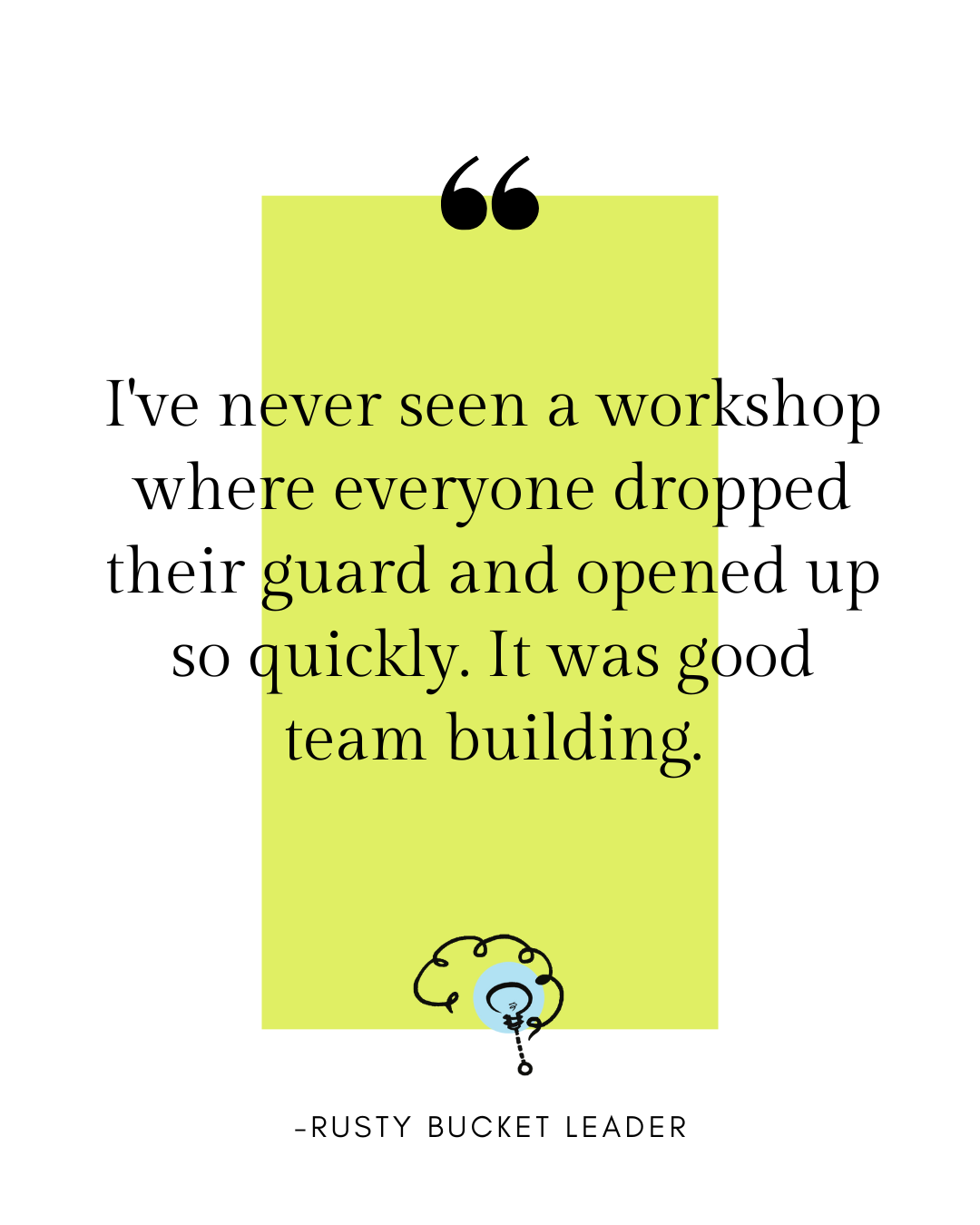
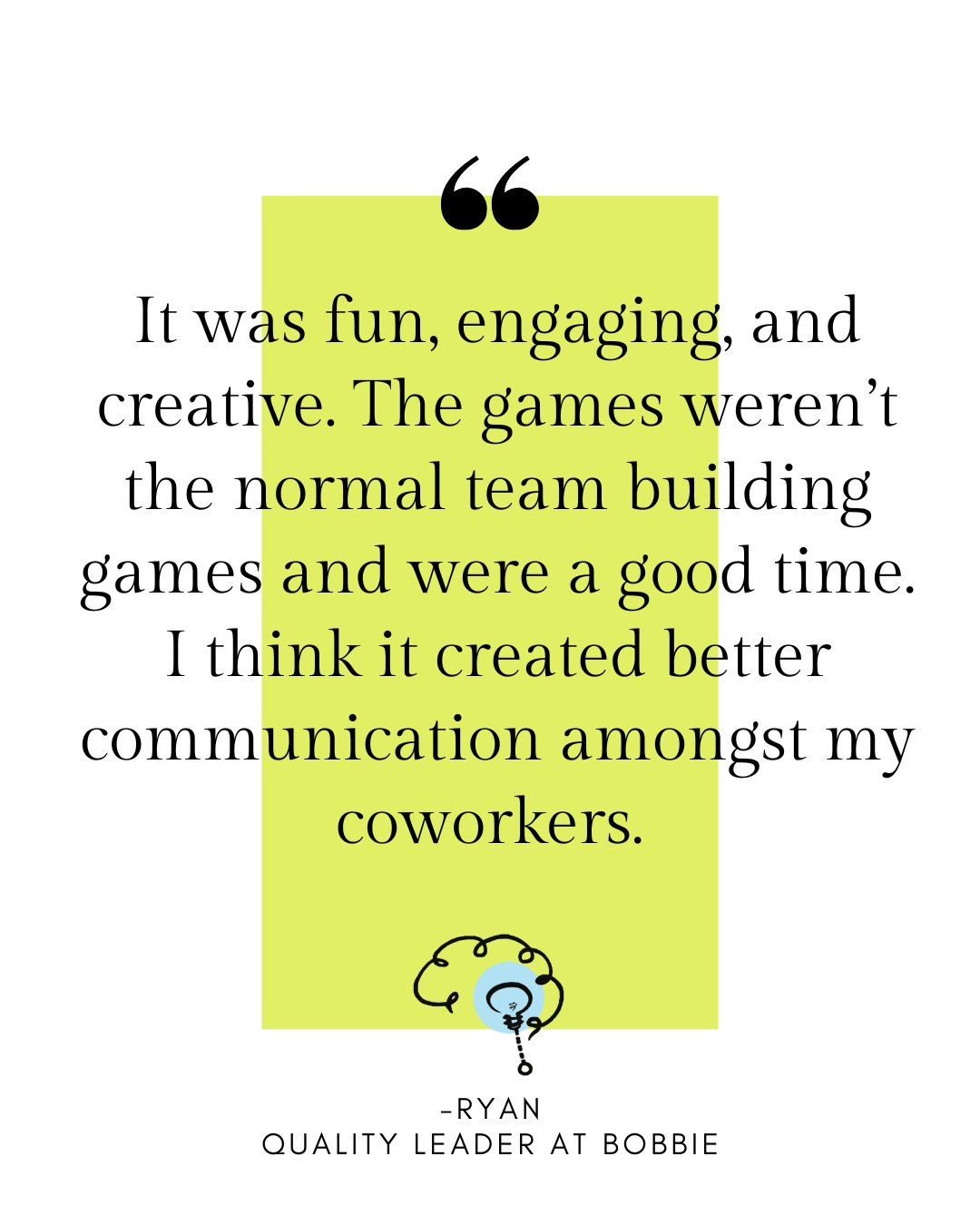
Teams enjoy that the work feels accessible. They learn to adapt without forcing a script. They see how attentive listening, steady pacing, and small behavior shifts improve customer reactions. They also appreciate the human tone of the sessions. WitWorks keep the pressure low and the practice meaningful.
To understand how real presence changes conversations, read Bringing Your Whole Self to Work: How Improv Builds Authentic Leadership and Culture. -
Your sales training builds core communication skills that support better selling. These include:
• Clear and steady communication
• Active listening that uncovers customer needs
• Asking focused questions
• Reading tone and body language
• Adjusting in real time
• Managing tension with calm presence
• Guiding conversations toward next steps
• Recovering when a call or meeting goes off trackTo see how these skills support real teamwork and follow through, read Fake Collaboration: An Improv and Workplace No No.
-
Confidence grows from repetition and reflection. Your sessions let people practice speaking, listening, and adjusting in realistic selling situations. They learn to slow down, breathe, and respond with intention. They gain tools for moments when pressure is high.
To explore how practice shapes real skill growth, read Be Changed: The Improv Principle That Teaches Real Leadership. -
The Sales Training Series works for teams in roles such as:
• Inside sales
• Field sales
• Account management
• Client success
• SDR and BDR teams
• Cross functional groups tied to revenueIt fits into in person or virtual structures. It can support onboarding, team training, leadership development, or sales kickoff events.
To see how WitWorks adapts content across audiences and cultures, read Our Berlin Adventure: Strategizing Workshops for International Teams. -
This training benefits people who want to:
• Strengthen customer conversations
• Improve discovery and questioning
• Build trust in early calls
• Stay grounded during objections
• Communicate with more clarity
• Adjust when customer priorities shiftFor insight on how people grow when supported with the right environment, read Why WitWorks? Because Real Growth at Work Should Feel Human.
-
Many programs rely on scripts or techniques that fall apart under pressure. WitWorks focuses on presence, clarity, and adaptability. Reps learn how to respond to the human in front of them instead of pushing a fixed process. They practice adjusting quickly and staying steady when things shift.
To understand why adaptability matters in fast moving environments, read Harnessing Improv: Transforming Remote Work and Company Conferences for Success. -
Organizations see improvements in:
• Confidence during customer conversations
• Quality of discovery and questioning
• Clearer communication during demos and calls
• Stronger follow through
• Better handling of objections
• Customer trust and rapport
• Consistency across the sales teamTo explore how trust shapes better results, read Why Fostering Positive Human Connection at Work Is More Important Than Ever.
Here's Our Process